

How to Handle a Move-Out Inspection

Updated: Jul 20
Why it Matters and What to Watch For
When a tenant leaves a property, investors must ask an important question: “how long until another tenant can move in?” The move-out inspection helps determine the answer.
Properly managed units are regularly inspected during residency for a basic indication of their status. But before placement of a new tenant, landlords need a complete an in-depth understanding of their property. The move-out inspection offers the clearest, most thorough evaluation of a property’s health after its tenant departs. Investors can use this inspection to determine what’s in good condition, and what may need work.
What is Normal Wear, and What is Misuse
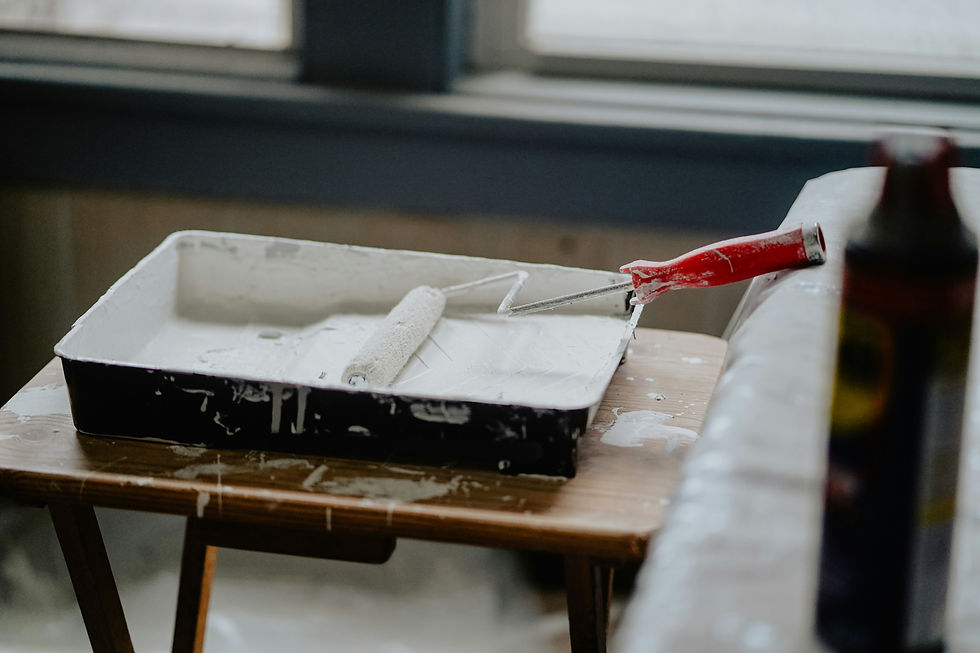
Drywall repair, painting, deep cleaning, new flooring, and other common tenant turnover items are easiest to spot during the move-out inspection, and each can be addressed on the tenant disposition. This allows investors to charge tenants for any necessary repairs due to tenant misuse or, as Michigan State law states, damage "above normal wear and tear."
Wear and tear will occur during any residency; art may be hung on walls, paint could be scuffed, and flooring will likely be scratched or dirtied. Cooking grease often builds up in kitchens, and handles and hinges typically loosen during a lease. These items are considered normal wear and tear, and shouldn't be charged to the tenant or removed from their security deposit.
Parc Management advises that investors imagine defending any repair or cleaning charges before their tenant and a judge. If the charge can confidently be labeled as above normal wear and tear, it should be safe to charge to the tenant.
Inspection Process
A move-out inspection can only be completed after the resident’s departure and once the property is secured. Parc Management prefers using Kwikset SmartKey locks, as once the tenant leaves the locks can be updated to a new key without the time and cost of replacing multiple locks completely.
For investors completing the inspection themselves, organization is key. Photographs taken during the inspection can be used to justify tenant charges; well-organized photographs also offer a first-person perspective to contractors bidding on repair or renovation jobs. Landlords can use specialized software to sort inspection photographs or spend time organizing their images personally. For the best results, Parc assigns an expert to complete and document the move-out inspection process.
Exterior areas are checked during the inspection process, but most issues are typically located inside the property. Photographs should capture each room completely before focusing on any damage with detailed pictures. High-traffic areas such as outlets, cabinet faces, door handles, light switches, and other frequently used spots should receive extra attention. It is important that every photograph is timestamped and organized by room. These photographs should then be provided to the resident as soon as possible, prior to the tenant disposition.
Parc Management uses the move-out inspection to generate a unit turnover estimate, or unit preparation estimate. This estimate helps outline the cost required to re-list a property for rent, and sets expectations for the marketing and new tenant move-in timelines.

While the quality of a resident does affect a property, how well that property was managed has a much greater impact on its final status. Properties with proactive communication and effective work management typically have simpler move-out inspections and a shorter vacancy before placement of a new tenant.
