

When Rehabilitations Add Value

The Work That Separates a Good Investor From a Great One
Rehabilitations have an enormous impact on the value and earning potential of a property. They are an opportunity for investors to analyze the market, plan for their futures, and creatively improve their property to stand out from the competition. Some investors are wary of rehabilitations due to their upfront costs; what separates a good investor from a great one is the ability to know when a rehabilitation will work.
Parc Management discusses the decision-making before choosing a rehabilitation, what work is warranted, and how to save along the way so that you can decide for yourself whether renovation is right for your property.
Repairs vs. Renovations vs. Rehabilitations
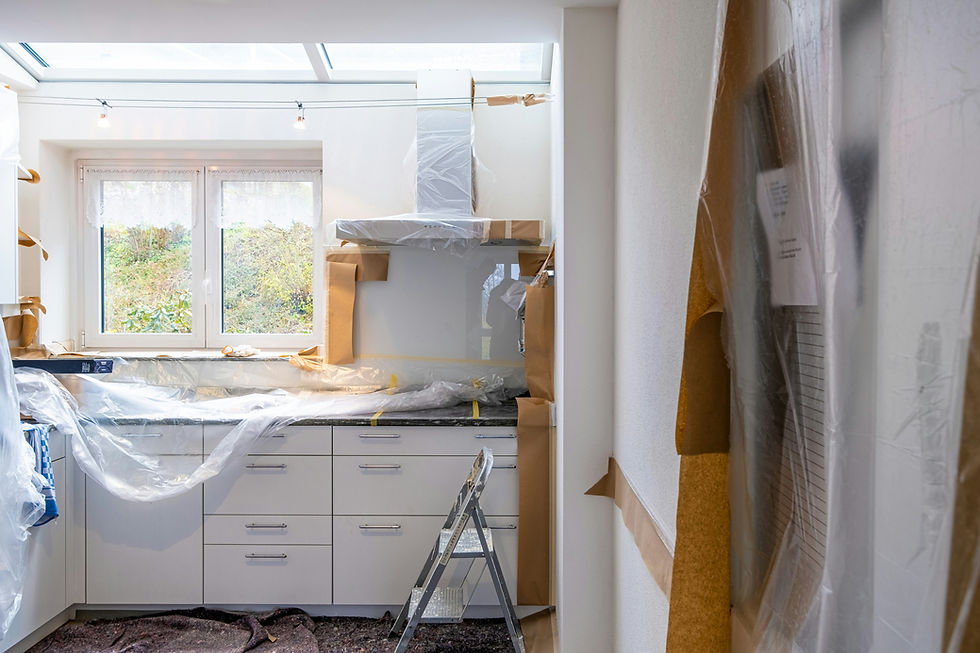
These terms are often used interchangeably. Most property managers identify repairs as maintenance items, or work that is necessary for the property to function. Renovations are typically portions of a rehabilitation, projects that add value immediately like upgrading appliances, replacing flooring, or adding features to a property. Renovations can be scheduled as standalone projects, but coordinating them together in a rehabilitation often has financial and scheduling benefits. Rehabilitations are multiple renovations completed together, addressing large areas for the greatest impact on a property’s rent rate. These rehabilitations are multi-phase projects that may require several different work specialties; skilled property managers can organize each stage to find savings and meet deadlines.
When Does a Rehabilitation Make Sense
There is no absolute answer that tells owners when they’re ready for a rehabilitation, but Parc Management uses some simple guidelines to start the conversation:
What are your goals for your property?
What is your local competition doing?
What does your property most need right now?
What could add value to your property in the future?
Are you prepared for the initial cost of a rehabilitation?
What is your expected timeline until completion?
Starting a rehabilitation depends on multiple factors including local competition, expected return on investment, price and availability of vendors and materials, installation timeline, and construction regulations. Investors can consider these factors themselves or partner with a property manager to access expert guidance and established vendor contacts.
Contractor Connections
Metro Detroit has an abundance of excellent craftsmen, contractors, and vendors ready for rehabilitation projects. Parc Management relies on a directory of over 100 trusted specialists and general contacts for quality labor at a reasonable price.
The relationships between owners and their rehabilitation teams are vital; these vendors are the people who actually create the vision that you have for your property. There are thousands of unique properties in each market to compete with; the style and details each owner contributes during a rehabilitation is what sets their unit apart. Vendors with good communication skills should be chosen to bring the owner’s ideas to life. The right contractors also keep owners informed of their rehabilitation’s progress and any potential issues or opportunities along the way.
For basic renovations, it’s important that investors have relationships with:
A painter
A flooring installation team
A mechanic to inspect and service machinery
A kitchen installer
A general handyman to handle any minor work
Fostering good relationships with these types of contractors is an important start to a successful rehabilitation, and can give owners a foundation of cooperation for future projects. After selecting reliable contractors, investors can discuss what else their property may need and find referrals to other specialists like plumbers, electricians, roofers, or foundation experts.
Timing and Work Management
Before starting a rehabilitation project, owners need to understand the order in which each item will be completed. For example, painting or reflooring should be completed before installation of new trim or cabinetry. Some investors can rely on common sense when scheduling smaller work, but when managing multiple contractors with their own schedules for larger projects, a rehabilitation can become complex. The right property manager organizes and coordinates work for minimal downtime spent waiting on one specialty to finish.
The right property manager organizes and coordinates work for minimal downtime spent waiting on one specialty to finish.
For total property rehabilitations, Parc recommends starting with the exterior. This markets the home to locals passing by and shows that the landlord cares about the community. For interior work, Parc recommends contacting an inspector to identify any areas with underlying issues, like mold or termite damage. Demolition and cleanup can then begin so that both owners and contractors have a clear view of what the property needs.
A Rehabilitation Can’t Succeed Without Organization
We recommend investors and contractors identify what materials they need immediately after demolition. The COVID-19 pandemic and recent global developments have shifted the availability of materials. By placing orders directly after demolition, owners can receive them when the unit is ready for install, reducing downtime. The materials that typically have the longest delivery dates are windows, cabinetry materials, and other miscellaneous lumber.
Most smaller projects can be scheduled between a few contractors based on the availability of materials. Larger rehabilitations should be divided into phases to synchronize workers, finances, materials, and cleanup work.

Final Finishing Work
The last step in the rehabilitation process is to complete final finishing work to improve the property’s visual appeal. Contractors can often forget to clear debris completely from the property. This makes the space appear more finished and reduces strain on local trash collection services. Parc calls the last phase of the rehabilitation project the "punch list," where our team fixes last-minute issues and perfects the little details that are too small to warrant their own project timeline. These details help separate an acceptable rental from an exceptional space.
Marketing and New Tenant Appeal
When owners invest in a renovation, they want to see their hard work pay off quickly. Parc Management completes photography sessions as renovations are completed to give an accurate and flattering perspective of the property. Local authorities often regulate the marketing of rental properties; we list properties online as “coming soon” to drive interest early and stay compliant before the property is ready for tours and showings.
Be transparent, be invested, be excited
When deciding whether to complete a rehabilitation we recommend that you be transparent about your goals, be realistic about what is possible within your budget, and be excited to learn the process of improving your property. If you want an expert on your team, Parc Management is ready to make sure that the goal you set for your property is the goal you achieve.

