Managing Work Orders Easily

Simple Steps To Streamline Work Orders
One of the most intimidating tasks for property owners is the work order. Tenant expectations must be met, contractors have to be organized, and costs have to be managed. Work orders can absolutely appear daunting, but the right system can streamline the process and save investors hundreds throughout a tenant’s residency. We’ll guide you through the entire process, from intake via tenants and contacting vendors to keeping up with the accounting so that you can handle work orders when they come.
Intake, Organization, And Urgency
The first step is receipt of the work order. Working purely with calls, texts, or emails can quickly overwhelm even the most organized investor. Most property management software includes a work order submission section; Parc Management has one such section in its tenant portal. Once the work order is received, management software can issue confirmation to the tenant, track requests, organize schedules, assign workers to, and budget for each work order. While it’s possible to complete all of these tasks by hand, they can quickly become complicated, even for single-unit properties.
Once a tenant submits a work order, owners need to assess the severity of the issue. Emergency and habitability-related items must, by law, be addressed within the first 24 hours of notification by a tenant. Emergency work orders involve any problems with tenant safety, heating and cooling systems, water, electricity, or exposure. Habitability-related work orders are those mandated by law, even if they may not pose an immediate danger to the tenant, such as total water heater failure or a major appliance breakage. These issues are categorized as urgent. Non-urgent work orders, like broken screens or other minor jobs, should be completed within five to seven business days. This timeframe allows owners to organize the repairs without subjecting tenants to poor living conditions.
Urgent
| Non-Urgent
|
Please note that some cities may still flag the "non-urgent" items.
Diagnosis Before Treatment
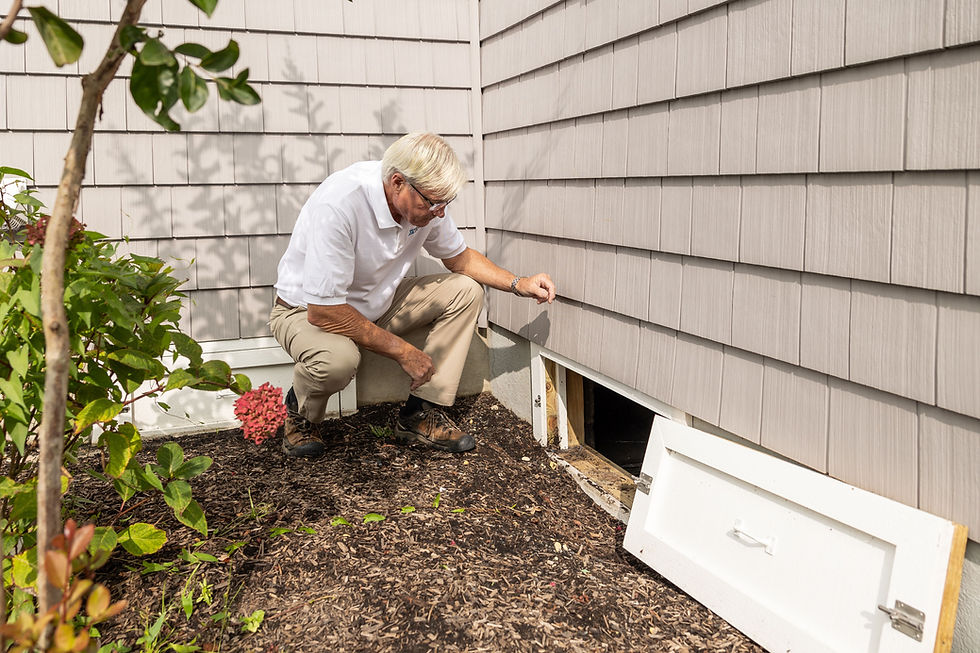
Once a work order has been received, landlords need to diagnose the issue. Consider a completely broken furnace in the winter; it’s an urgent issue, but it may only need a simple fix. Malfunctions due to user error and accidentally extinguished pilot lights make up many of our HVAC-related work orders. Parc recommends sending a representative to the unit to visually confirm issues, with the rare exception of talking the tenant through a common issue over the phone (some new tenants simply don’t know how to operate all the features of their home). If the problem requires hands-on work and the owner doesn’t know whether a specialist is needed, their first call should be to a general handyman.
General handymen typically charge a “trip fee” for the time it takes them to diagnose the issue and determine a solution. If an investor hires the handyman to complete the repair, this trip fee should be removed from the final bill. Contractors such as handymen will generate an estimate for repairs that clearly details the problem, the costs required to fix it, and the expected outcome if the issue is not resolved. The costs in this estimate should be broken down by material and labor expenses; it is important that investors and property managers save a copy of this documentation for billing purposes.

For larger repairs it may make sense to find alternative quotes or special offers, especially considering that urgent issues may incur high “rush prices.” Pursuing too many quotes can have a negative effect on cost, as contractors typically charge a base trip fee simply to create an estimate. Every moment spent waiting for a vendor to finish their quote is another moment the resident is living with an unresolved issue, and too many contractors moving through the home can test tenant goodwill.
Finding a trustworthy vendor can help landlords avoid additional trip fees, keep tenants comfortable, and solve problems early.
Connecting With Contractors
Compiling a list of trusted vendors isn’t done all at once, but over time. Parc Management has longstanding relationships with a roster of reliable workers and specialists, but with enough time individual landlords can establish their own contacts.
The first contractors most investors interact with are general handymen. If the investor’s unit required rehabilitation work before move-in, they almost certainly made a connection with a handyman. If the unit didn’t need any work or was purchased with a tenant already inside, there are a few places owners can look to make their first vendor contact:
Local real estate companies or investing groups
Networking events and investor message boards
The Better Business Bureau
Specialist vendors with general contractor recommendations
Contractors may reference other vendors for specialized work, and while these recommendations deserve consideration, owners should always make the choice they feel most confident about. If all else fails, simply performing an internet search and trusting your best judgment can be a good place to start building a contact list.
The final step in vendor selection is insurance verification. This can be done several ways, so long as landlords regularly check their vendors’ insurance statuses to prevent future liability or damage issues.
Guarantees And Getting To Work
After an investor selects a vendor and approves their estimate, repairs can finally begin. It is essential that investors request photographic and written documentation of the unit from contractors before and after any work. Parc Management clearly communicates this at the beginning of each project; our team requires before-and-after photographs of the affected area in addition to a written summary of any work performed.
It is also important to receive a written guarantee from contractors that the work order issue will not recur, or that if it does the contractor will correct their mistake for free within 30 days. Parc offers such a maintenance guarantee for any work orders our internal team resolves. These guarantees do not mean the contractor is accepting liability for unrelated future issues in the area; if another problem arises in the same location or the same problem reappears much later, it is not always related to the contractor's original work. This is yet one more reason why keeping a collaborative relationship with good vendors is so important.
“It is essential that investors request photographic and written documentation”
Special Project Management Circumstances
Property management companies can resolve many work orders internally. This reduces the time to completion without the need to contact and consider outside vendors, and it is typically more cost-effective for smaller jobs that don’t require specialists. However, no project management company should ever force their investors to use internal labor.
The best property managers update owners throughout work orders and request approval before incurring any expenses. Most managers charge a fee to manage work orders, and while this is often the safest course of action, it is possible for owners to take on work order projects alone. Parc Management has supported clients with complete, partial, and hands-off work order support; each project has its own level of complexity, and each investor has to decide their own level of involvement.

Payment And Wrap Up
Many vendors require upfront payment or a partial deposit to begin work. Additionally, once the work is completed, most vendors want to be paid as quickly as possible. Contractors can choose which landlords they work with, and late payments often ruin relationships. A net 30 day payment schedule is standard in the Metro Detroit area; this means that landlords or management companies have 30 days to pay an invoice from the date it was received.
Parc Management has a policy of paying vendors within one business week of receiving their final documentation. There are also some instances where vendors should be paid immediately, such as for an urgent work order. Whatever the payment plan, contractors should be made aware of the expected deposit date for their payment and notified of any delays.
While work orders can seem intimidating, they are ultimately an indication of a healthy property. The majority of work orders Metro Detroit landlords receive are neither expensive nor urgent. When an important issue does come up, landlords can resolve it confidently by staying organized from the start, reacting fast to fix issues before they multiply, and keeping good relationships with vendors.
For investors who want an expert partner to handle their work orders, Parc Management is ready with concierge service, established connections, and a track record of success that owners can count on.