Why The Move-In Inspection Matters

Updated: Jul 30
The Last Look At A Property Before The Next Lease
The move-in inspection is an owner’s final opportunity to view their property before a new tenant leases the unit. It is easy to assume that the move-in inspection is identical to the move-out inspection, a process we described in a previous blog post; however, each inspection is important for different reasons.
Many Things Can Change Between Move-Out and Move-In
There are two times when a property might change between one tenant's departure and the next tenant’s arrival: the owner has intentionally completed work, or the unit has changed without the owner’s knowledge.
If a property is in good condition after a move-out, and a renovation is not strategically advisable, investors have little to do physically beyond completing small repairs, checking maintenance items, and cleaning. This work is minimally invasive; touching up paint, steam cleaning carpets, and oiling hinges are examples of common “low impact” work many units experience. Yet complications can still arise, even from the simplest projects.
Paint might be spilled, chemicals left overnight may leave an odor, and cleaning crews can accidentally cause minor damage. Even if the property has been completely undisturbed, water damage might develop over time that was not visible during the move-out inspection. Pests or foliage may damage the exterior of the home, or powerful winds could loosen roofing. Investors should take care to assess every area of the property just as carefully as they would during a move-out inspection.

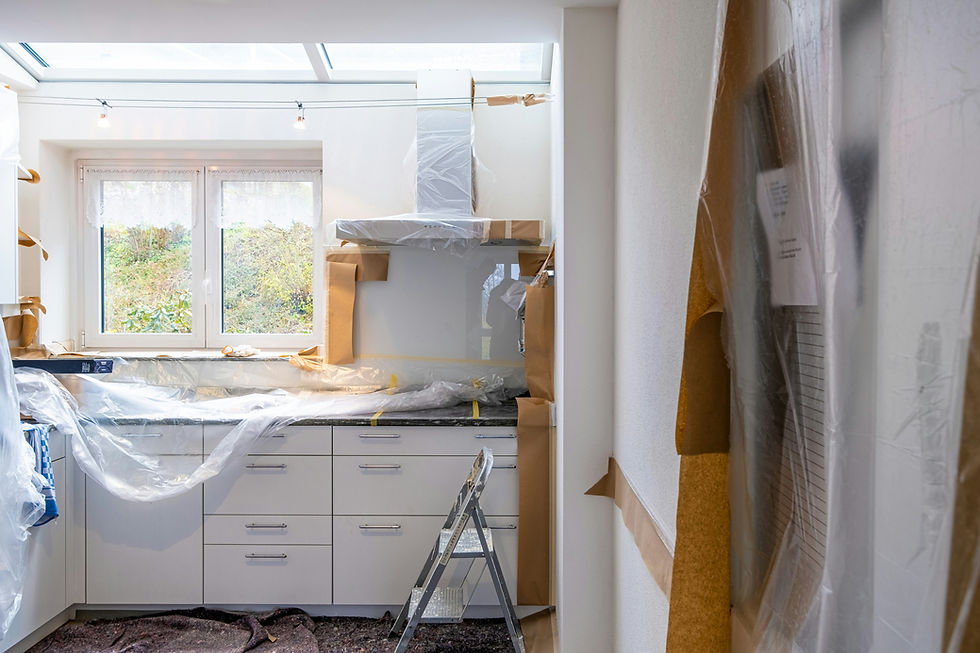
If major repairs or renovations were completed, the move-in inspection is the last chance owners have to check the quality of the work. Appliances should be tested to ensure they function, the fitting of new cabinetry should be assessed, and paint should be examined for flaws. This not only documents the state of the property before a new resident moves in, but it offers investors one final view of their work to guarantee that any work was completed to satisfaction. Recent renovations should be photographed thoroughly; if an owner makes the investment, they should document the area to protect it and keep it looking new for as long as possible.
How To Document The Inspection
An inspection is nothing without proof, and while no landlord wants issues, they must be prepared for them. Documentation collected during the move-in inspection can be used to justify tenant charges, providing a concrete comparison of a property’s condition before a lease to its condition after.
Often one of the hardest tasks for an owner is managing the organization of photographs taken during the inspection. There is some software that can simplify this process for new landlords, or they can partner with a property manager for a tested method. Parc Management uses an established system to photograph and organize data from each area of a property.
Every photograph taken should be marked with a timestamp and filed by room. These photographs should capture everything possible (within reason), including areas of wear, scuffs, scratches, dents, etc. These minor flaws exist in every home, and documenting them during the move-in inspection is the only way to determine what was present before the move-in, and what damage might occur due to tenant use.
For a full description of what to watch for during the inspection process, please refer to our blog post here.
Helpful Habits
Parc Management also uses the inspection to record serial numbers for the heating, ventilation, and air conditioning systems, in addition to other appliances such as the washing machine and the water heater. If a tenant experiences any issues with these appliances, it is far easier to arrange repairs with a serial number than without it. This habit can also save time diagnosing the issue, as repair workers arrive prepared with the right tools for the job when they know beforehand the model they will work on. Parc uses this appliance information to check for warranties and to save on repair work whenever possible.
Parc also inventories accessory items, such as cushions for patio furniture, keys for additional locks on the property, and waste bins. The list of these items is extensive, ranging from remotes to yard equipment; a good property manager will take an inventory of everything the property has and note what it may need before accepting a new resident.
“The move-in inspection can be simple, but it still deserves careful attention”
The move-in inspection can be simple, but it still deserves careful attention. Investors must record as many details as they can before passing possession of their property to its next tenant. Was everything cleaned? Was everything in place? Was there anything to watch for in the future? Owners can use this last look to answer these questions themselves, or partner with Parc Management for an expert move-in inspection experience.